






The chefs at
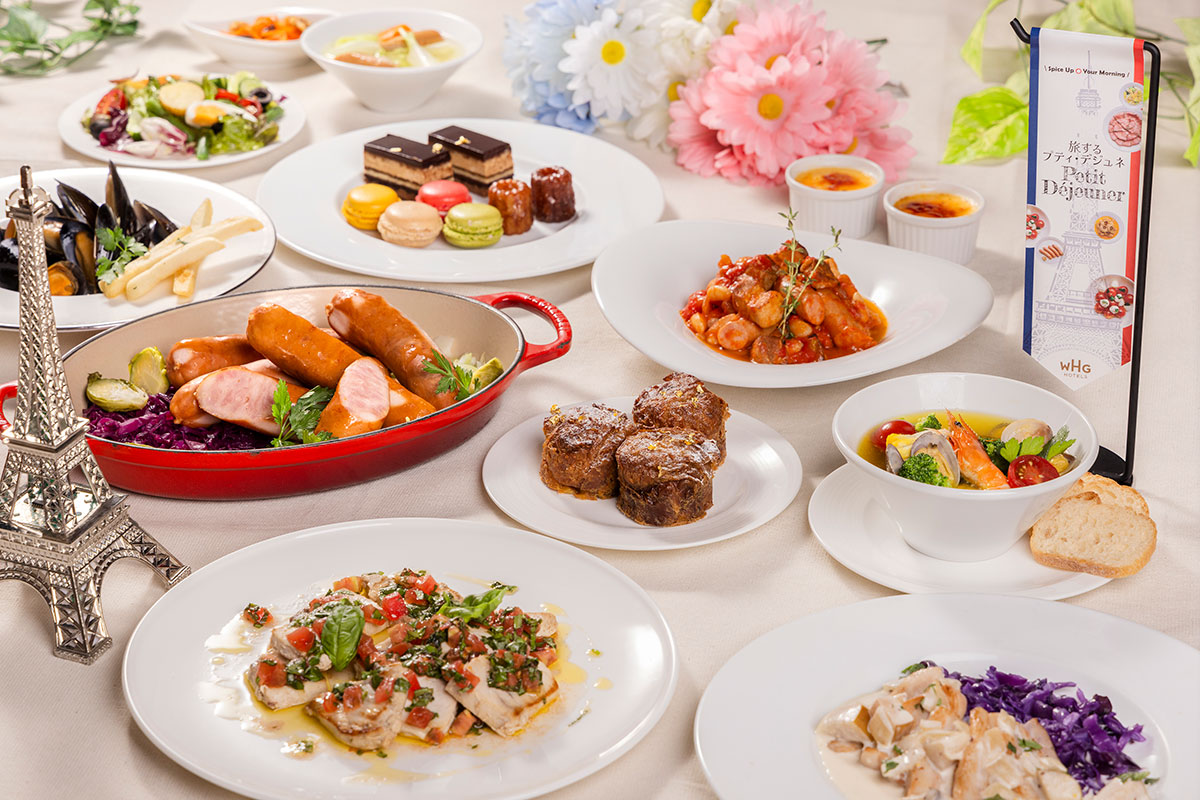
WHG HOTELS have prepared a “Petit Déjeuner” (breakfast) that weaves together French flair and Japanese ingredients
.
Menus featuring dishes from regions with many similarities
will be available at each hotel.
Please enjoy the wide variety of dishes
on the menu, which also offer ethical discoveries.
- Service Period
- July 1, 2024 (Mon) – September 8, 2024 (Sun)
- Check out a selection of our menu items at
! - Surprisingly Similar!?
Japan and France
-
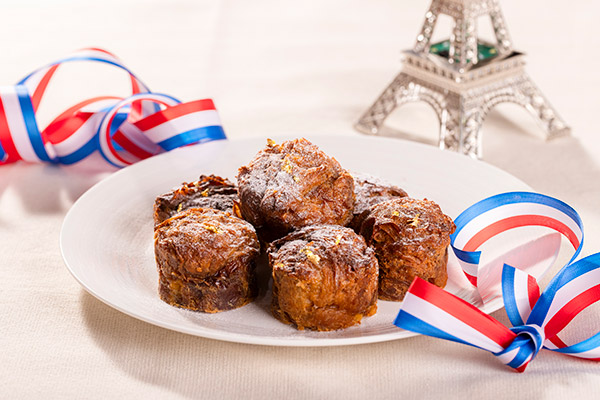
- Croissant Perdu
-
This luxurious breakfast dish is a twist on a classic, ethical French dish that brings “pain perdu” (French for “lost bread,” referring to stale or hardened bread) back to life. It’s a luxurious French-style breakfast. We soak croissants in a mixture of eggs, milk, and heavy cream, place them in a baking dish, and bake them. Enjoy the crispy exterior and moist, tender interior.
Facilities Offering This Service:
All Participating Facilities
-

- Frankfurters and Sauerkraut
-
A traditional dish from the Alsace region, located on the border with Germany. It is a dish that combines savory, grilled Frankfurters with sauerkraut, a tangy cabbage dish.
Facilities Provided:
Hotel Gracery Sapporo
-
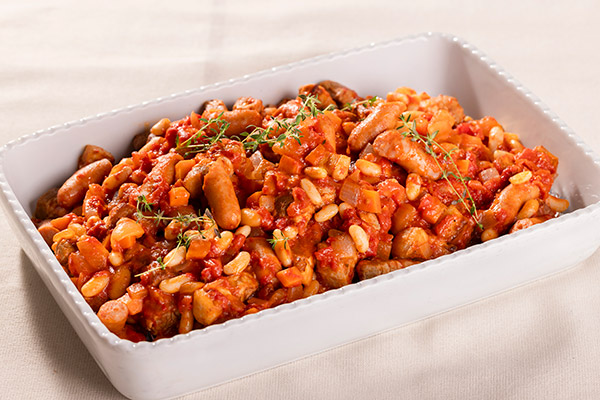
- Cassoulet
-
This is a traditional French stew made with white beans as the base, simmered slowly with sausage, pork, vegetables, and other ingredients.
It’s characterized by a topping of toasted breadcrumbs, making it a dish that offers rich flavor and a satisfyingly hearty portion.Participating Facilities:
Shinjuku Washington Hotel, Hotel Gracery Tamachi, Hotel Gracery Asakusa (Tokyo), Akihabara Washington Hotel
-
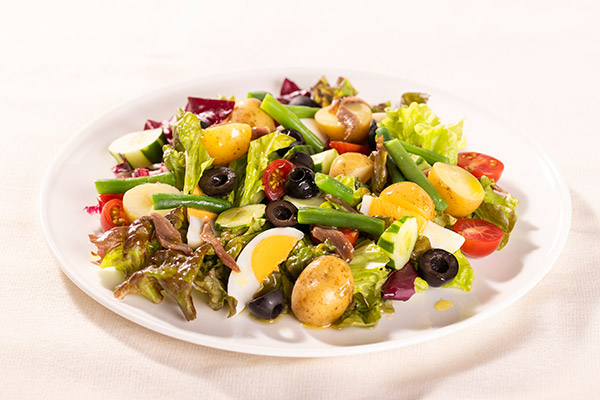
- Niçoise Salad
-
A colorful salad originating in the southern city of Nice. It features a mix of tomatoes, hard-boiled eggs, olives, anchovies, tuna, green beans, potatoes, and more, and is characterized by the flavors and balance of its fresh ingredients. Please enjoy it with a tangy olive oil dressing.
Provided by:
, Hotel Gracery Tamachi, Hotel Gracery Asakusa (Tokyo), Akihabara Washington Hotel, Yokohama Sakuragicho Washington Hotel, Canal City Fukuoka Washington Hotel
-
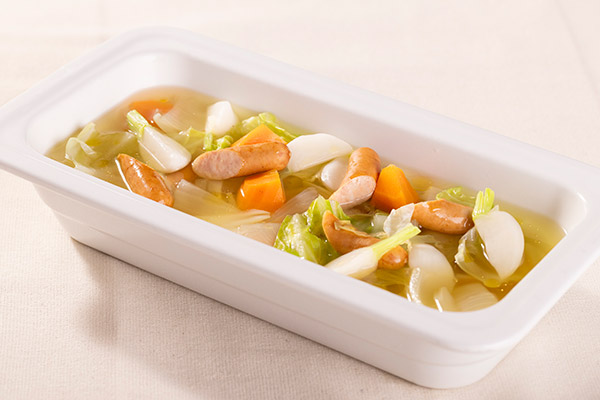
- Pote
-
A traditional stew from the Burgundy region. It is made by slowly simmering pork, sausage, cabbage, carrots, potatoes, and other vegetables in broth. It is characterized by its simple yet rich flavor.
Facilities:
Shinjuku Washington Hotel, Hotel Gracery Kyoto Sanjo
-
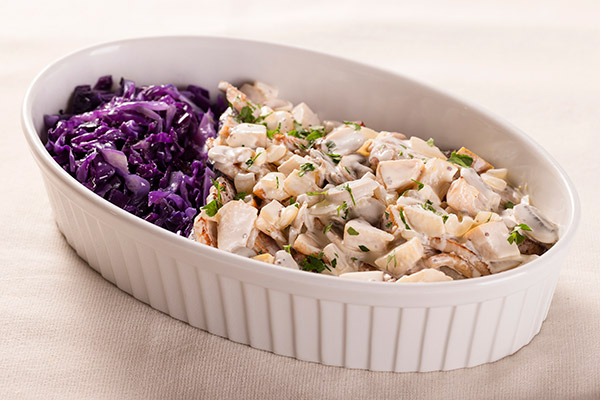
- Pork Normandy
-
This dish, from the northern region of Normandy, features pork braised in apples, heavy cream, and Calvados (apple brandy). The sweet and tart flavors harmonize, and the smooth, rich sauce brings out the savory flavor of the pork.
Facilities Provided:
Hiroshima Washington Hotel
-
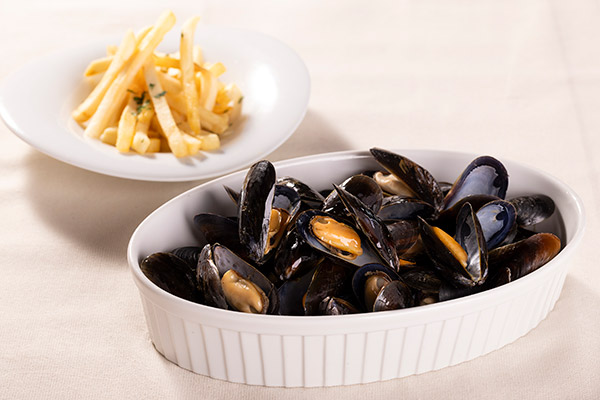
- Moules Frites
-
This popular dish from the Brittany region combines mussels and French fries. The mussels are steamed in white wine and herbs, which brings out their rich flavor.
Facilities Provided:
Sendai Washington Hotel
- *Please note that the duration and details of this offer are subject to change without prior notice.
- *Please note that some menu items may not be available at certain locations. We appreciate your understanding.
Did you know that Japan and France have a lot in common?
If you take a closer look, you’ll find many similarities—from climate and cuisine to culture and tourism.
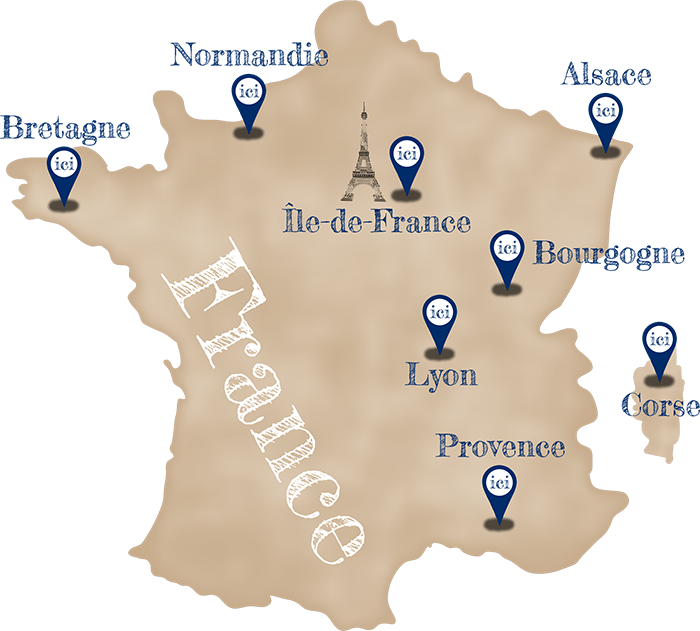
You can view the similarities between the areas where WHG HOTELSis located and regions in France, as well as the menus offered at each hotel, by clicking on the pin icons on the map.
They look surprisingly similar!?
Sapporo and the Alsace Region
- [ Climate ]
- This region has distinct seasonal changes, with cold, snowy winters and relatively cool summers.
- [ History and Culture l’histoire ]
- Historically, Sapporo has been influenced by Japanese and Ainu cultures, while the Alsace region has been influenced by German culture, and both areas are home to a vibrant array of local festivals and events.
- [ Food Culture: Culinary Specialties ]
- In Sapporo, you can enjoy dishes made with seafood and vegetables, while in the Alsace region, you can savor local specialties such as sauerkraut and Frankfurters—dishes that make the most of local ingredients like seafood and vegetables.
- [ Tourism]
- It boasts an abundance of natural beauty, hot springs, and tourist attractions. Sapporo attracts many tourists with its lush natural surroundings and ski resorts, while the Alsace region draws visitors with its vineyards and picturesque villages.
Petit Déjeuner Menu
Hotel Gracery Sapporo
- Croissant Perdu
- Frankfurters and Sauerkraut
They look surprisingly similar!?
Sendai and the Brittany Region
- [ The Sea and Nature: la mer et la nature]
- Both regions are characterized by beautiful coastlines and abundant natural scenery; they are influenced by an oceanic climate, and their appeal lies in their seafood and natural beauty.
- [ Food Culture: Culinary Specialties ]
- Sendai is known for its beef tongue and abundance of fresh seafood. The Brittany region is also blessed with an abundance of seafood and is famous for its dishes made with fresh fish and shellfish.
- [ Tourism]
-
Sendai is a popular tourist destination, home to Matsushima—one of Japan’s Three Great Views—and the Ou Mountains, known for their beautiful autumn foliage.
The Brittany region also captivates tourists with its beautiful coastline, picturesque natural scenery, and historic townscapes. - [ History and Culture l’histoire ]
- Sendai, home to many historic sites associated with Sendai Castle and Date Masamune, and the Brittany region, dotted with prehistoric ruins such as dolmens and menhirs, as well as medieval castles. Both regions are steeped in history and tradition.
Petit Déjeuner Menu
Sendai Washington Hotel
- Croissant Perdu
- Moules Frites
etc.
They look surprisingly similar!?
Tokyo, Saitama, and the Île-de-France region
- [ Economic Hub: le centre économique ]
- Tokyo, the capital of Japan, and the Île-de-France region, home to Paris, the capital of France, are both economic, political, and cultural hubs that are home to many companies and government agencies.
- [ Urbanization ]
- Tokyo is one of the most densely populated cities in the world. The Île-de-France region is also the most densely populated and highly urbanized region in France.
- [ Transportation Hub: le hub du transport ]
- Tokyo and Saitama, which serve as transportation hubs in Japan, offer excellent access to destinations both within Japan and abroad. Paris also has a well-developed network of airports, railways, and highways connecting it to destinations both within France and abroad.
- [ Internationality l’internationalité ]
-
Tokyo and Saitama, which are multicultural and international cities, are home to numerous large-scale event venues and welcome tourists and business travelers from around the world every day.
The Île-de-France region also attracts many tourists from around the world and frequently hosts international events.
Petit Déjeuner Menu
Hotel Gracery Tamachi
Hotel Gracery Asakusa (Tokyo)
Akihabara Washington Hotel
Shinjuku Washington Hotel Main (Tokyo)
Tokyo bay Ariake Washington Hotel (Tokyo)
Urawa Washington Hotel
- Croissant Perdu
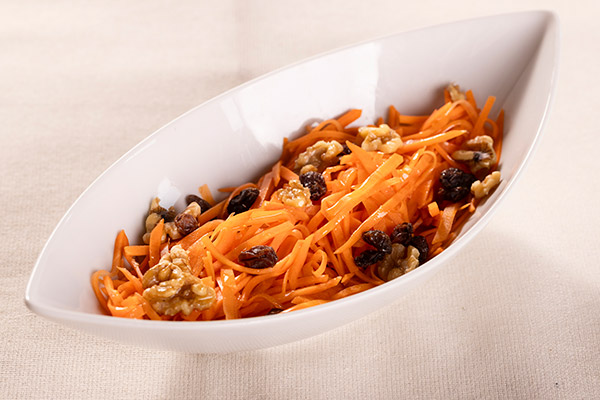 Carrot Rape
- Cassoulet
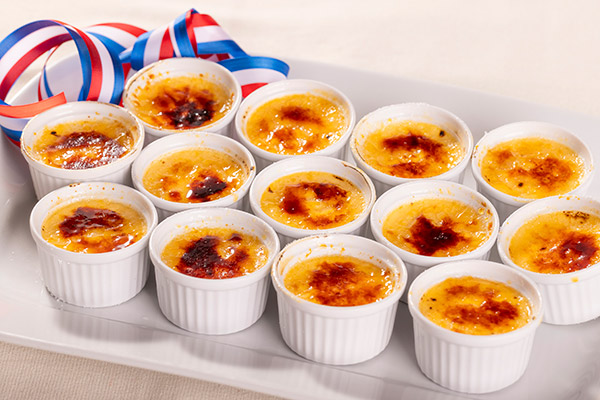 Crème Brûlée
etc.
They look surprisingly similar!?
Yokohama and Marseille
- [ Port Town la ville portuaire]
- Both are important port cities. Yokohama is one of Japan’s major international trade ports, and since it opened, it has welcomed a wide variety of foreign cultures. Marseille is also France’s largest port and a melting pot of cultures.
- [ Multicultural City: la ville multiculturelle]
- Yokohama is a city where diverse cultures blend together, as exemplified by its historic Chinatown. Marseille is also a city home to immigrants from Africa and the Middle East, and it is a place where diverse cultures coexist.
- [Tourismand Food Culture ]
- Yokohama is famous for its beautiful harbor views and the Minato Mirai district, and visitors can also enjoy dining in Chinatown. Marseille attracts tourists with its beautiful Mediterranean coastline, historic buildings, and local cuisine such as bouillabaisse.
- [ Economy and Industry l’économie et l’industrie]
- Yokohama is home to thriving commercial, manufacturing, and information technology sectors, while Marseille also has a thriving commercial sector centered around its port, with manufacturing, oil refining, and the chemical industry flourishing; both cities have vibrant economic activity.
Petit Déjeuner Menu
Yokohama Sakuragicho Washington Hotel
- Croissant Perdu
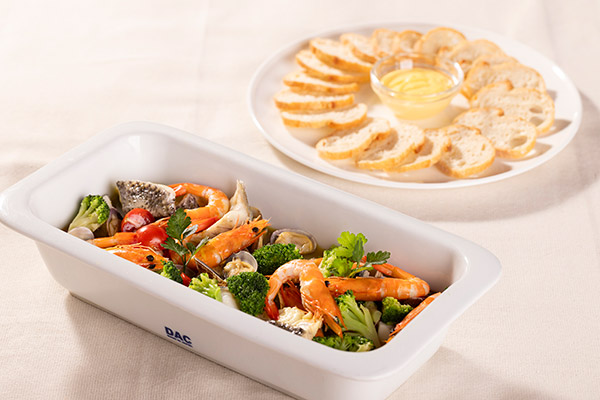 Bouillabaisse
etc.
They look surprisingly similar!?
Kyoto and the Burgundy Region
- [ Gastronomy ]
- Kyoto is known for its traditional culinary culture, including Kyoto-style cuisine and matcha. The Burgundy region is also famous for wines such as Chardonnay and Beaujolais, as well as the mustard from its capital, Dijon.
- [ History and Culture l’histoire ]
- The ancient capital of Kyoto is rich in historical architecture and traditional culture and arts, such as crafts and performing arts. The Burgundy region is also home to many medieval monasteries, castles, and historic townscapes.
- [ Tourism]
- Kyoto attracts many tourists with its historic buildings, beautiful natural scenery, and seasonal events such as cherry blossoms and autumn foliage, while the Burgundy region draws visitors with its beautiful landscapes and reputation as a wine-producing region.
- [ Harmony with Nature l’harmonie avec la nature ]
- Both regions place great importance on harmony with nature. Kyoto is famous for the natural beauty of the four seasons, such as cherry blossoms and autumn foliage, while the Burgundy region also preserves a beautiful and rich natural environment, including its vineyards.
Petit Déjeuner Menu
Hotel Gracery Kyoto Sanjo
- Croissant Perdu
- Pote
etc.
They look surprisingly similar!?
Osaka and Lyon
- [ Economic Hub: le centre économique ]
- Both Osaka and Lyon are major economic hubs and business cities that are home to many companies. Lyon, in particular, is known for its thriving banking and chemical industries.
- [ Food Culture: Culinary Specialties ]
- Osaka is often referred to as the “kitchen of Japan” and boasts a unique culinary culture, featuring dishes such as takoyaki and okonomiyaki. Lyon is known as the gastronomic capital of France, and Lyon cuisine is highly regarded. Both cities share a strong passion for food and attract many food enthusiasts.
- [ Vitality la vivacité ]
- Osaka is a vibrant city, with bustling shopping districts and night markets. Lyon also has many markets and cafés, and is always bustling with locals and tourists.
- [ History and Culture l’histoire ]
- Osaka is home to many historic buildings and cultural facilities, including such famous sites as Osaka Castle and the National Museum of Art, Osaka. Lyon, too, is dotted with historic buildings, such as its Old Town, which is listed as a UNESCO World Heritage Site.
Petit Déjeuner Menu
Hotel Gracery Osaka Namba
Kanku Izumi Otsu Washington Hotel
- Croissant Perdu
etc.
They look surprisingly similar!?
Hiroshima and the Normandy Region
- [ History l’histoire ]
- Both regions bear strong traces of World War II. Hiroshima, where atomic bombs were dropped, is home to many sites that serve as reminders of the war, such as the Peace Memorial Park and the Atomic Bomb Dome. The Normandy region also has many war memorials as the site of the D-Day landings.
- [ The Sea and Nature: la mer et la nature]
- Hiroshima, which faces the Seto Inland Sea, is known for its beautiful coastline and abundant natural beauty. The Normandy region also boasts a magnificent coastline facing the English Channel and lush, green countryside.
- [ Food Culture: Culinary Specialties ]
- Hiroshima is famous for its okonomiyaki and oysters, and Hiroshima oysters, in particular, are highly regarded. The Normandy region is also blessed with seafood such as oysters and mussels, and is famous for other products like Camembert cheese.
- [ Tourism]
- Hiroshima is home to many tourist attractions, such as the Peace Memorial Park and Itsukushima Shrine. The Normandy region also boasts a variety of tourist attractions, including war memorial sites and Mont-Saint-Michel, the sister city of Hiroshima and Miyajima.
Petit Déjeuner Menu
Hiroshima Washington Hotel
- Croissant Perdu
- Pork Normandy
etc.
They look surprisingly similar!?
Yokohama, Fukuoka, andthe Provence region
- [ Port Town la ville portuaire]
- Both cities have developed around their ports and are rich in seafood. The Provence region also faces the sea, and Marseille, in particular, is France’s largest port and a melting pot of cultures.
- [ Food Culture: Culinary Specialties ]
- Yokohama, with its abundance of cuisine influenced by other cultures; Fukuoka, renowned for its fresh seafood and regional specialties; and the Provence region, home to numerous dishes featuring olive oil and herbs—each of these regions attracts tourists with its unique culinary culture.
- [ Tourism]
- In Yokohama, the Minato Mirai area with its beautiful cityscape, and in Fukuoka, Beppu Hot Springs, attract many tourists. The Provence region is also a popular tourist destination, known for its picturesque villages and lavender fields.
- [ Climate ]
- Both Yokohama and Fukuoka have relatively mild climates, making them comfortable places to live throughout the year. Their climates are similar to the Mediterranean climate of the Provence region.
Petit Déjeuner Menu
Yokohama Sakuragicho Washington Hotel
Canal City Fukuoka Washington Hotel
- Croissant Perdu
- Niçoise Salad
etc.
They look surprisingly similar!?
Naha and Corsica
- [ Geography ]
- Okinawa, whose prefectural capital is Naha, and the island of Corsica, located in the Mediterranean Sea, both share the geographical characteristic of being islands surrounded by the sea.
- [ Climate ]
- Both Naha and Corsica have a Mediterranean climate, characterized by warm, humid summers and warm, mild winters. This climate is ideal for tourism, and the areas attract many visitors throughout the year.
- [ History and Culture l’histoire ]
- Naha has a history rooted in the Ryukyu Kingdom and boasts its own unique culture and traditions. Corsica, too, retains strong influences from Italian culture and has its own unique culture and language (Corsican).
- [ The Sea and Nature: la mer et la nature]
- Naha is known for Okinawa’s beautiful beaches and coral reefs, and Corsica is also blessed with crystal-clear waters, forests, and rugged mountains; both regions boast beautiful coastlines and abundant natural beauty. They also offer a wealth of spots for hiking and exploring nature, making them destinations rich in diverse tourist attractions.
Petit Déjeuner Menu
Hotel Gracery Naha
- Croissant Perdu
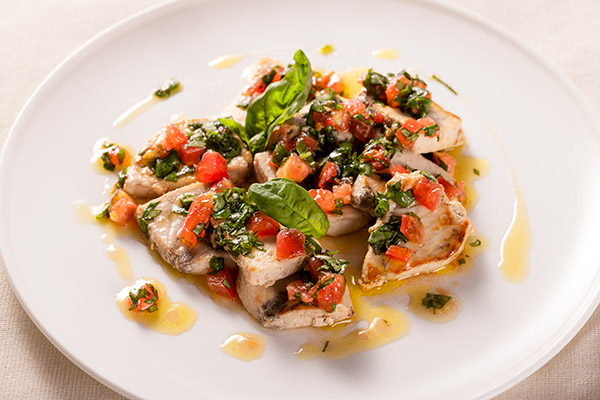 Sautéed White Fish with Basil Sauce
etc.
- *Please note that the duration and details of this offer are subject to change without prior notice.
- *Please note that some menu items may not be available at certain locations. We appreciate your understanding.
- Contact Us
-
whg@fujita-kanko.co.jp
Hours: Weekdays 10:00 a.m.–6:00 p.m. (excluding Saturdays, Sundays, and holidays)
- *In principle, we will reply within 3 business days, but it may take longer depending on the situation.
If you contact us outside of our office hours, we will reply to you on the next business day or later.